How Thick Should a Hallway Runner Be?
When designing a welcoming home, the physical dimensions of your floor decor play a massive role in both visual aesthetics and daily functionality. Hallways are high-traffic transition zones that bridge the gap between distinct living spaces. Choosing the wrong rug profile can quickly lead to everyday frustrations, from jamming doors to accidental tripping hazards. In this guide, we will analyze exactly How Thick Should a Hallway Runner Be to ensure your home transitions remain beautiful, safe, and easily accessible.
Fast Takeaways
- Ideal Thickness: For busy hallways, a total profile thickness between 0.20 and 0.25 inches is the sweet spot for structural stability and door clearance.
- Prioritize Clearance: Always measure the precise gap between the bottom of your swinging doors and the bare floor surface before purchasing.
- Opt for Low Pile: High-quality Low-Pile Rugs prevent fibers from crushing under heavy foot traffic and keep maintenance simple.
- Easy Upkeep: Utilizing Machine-Washable Rugs allows you to maintain a clean environment without sacrificing door clearance.
Measure the room and furniture footprint
The primary challenge when calculating how thick should a hallway runner be comes down to a single mechanical factor: door clearance. Many traditional American homes feature standard interior doors, linen closets, or front entryways that swing directly across the main hallway path. If a rug is even a fraction of an inch too thick, the door sweep will catch on the fibers, causing the rug to bunch up, slide, or wear down prematurely.
To establish a clear measuring method, you must first calculate your minimum clearance rules. Take a standard tape measure and check the exact vertical distance from the floor surface to the bottom edge of your lowest-hanging door. If your clearance is less than half an inch, a plush, thick tufted carpet is completely out of the question. Instead, your focus must shift exclusively toward specialized low-profile solutions that sit flat against the floor.
Understanding how to protect hallway floors with runner rugs means acknowledging that a rug's thickness includes both the pile height and the backing underneath. Sand, dirt, and fine grit tracked in from the outdoors can easily lodge themselves beneath a loose, thick rug, turning the backing into makeshift sandpaper that scratches your expensive hardwood finishes over time. By selecting a flat, densely woven alternative, you block debris from slipping beneath the edges.
"A runner rug should never act as an obstacle course in your own home. Prioritizing low clearance ensures that your transitions remain completely fluid and effortless."
Additionally, you must account for any furniture footprints currently resting along the perimeter of the hallway. If you have an entryway console table, a decorative bench, or a coat rack, your rug layout should ideally sit completely clear of the front legs. Measuring the open walking path independently of furniture allows you to determine the ideal functional width and thickness required for smooth movement.
Recommended sizes by layout
Every home layout presents distinct physical dimensions. When looking into how to choose the perfect rug, mapping out practical size options based on your specific layout will prevent expensive ordering mistakes. Let's look at how thickness and placement interact across the most common layout configurations found in modern households.
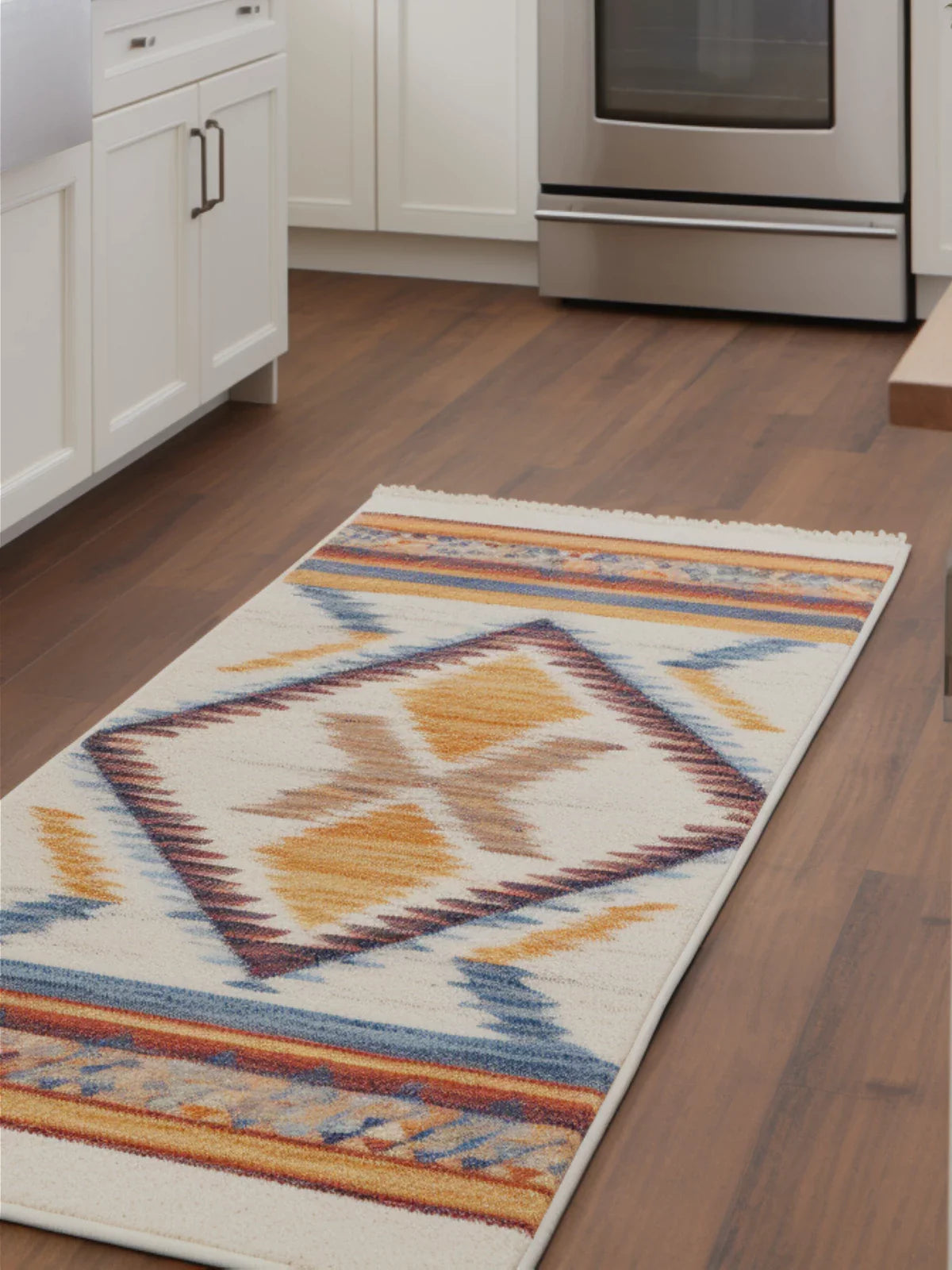
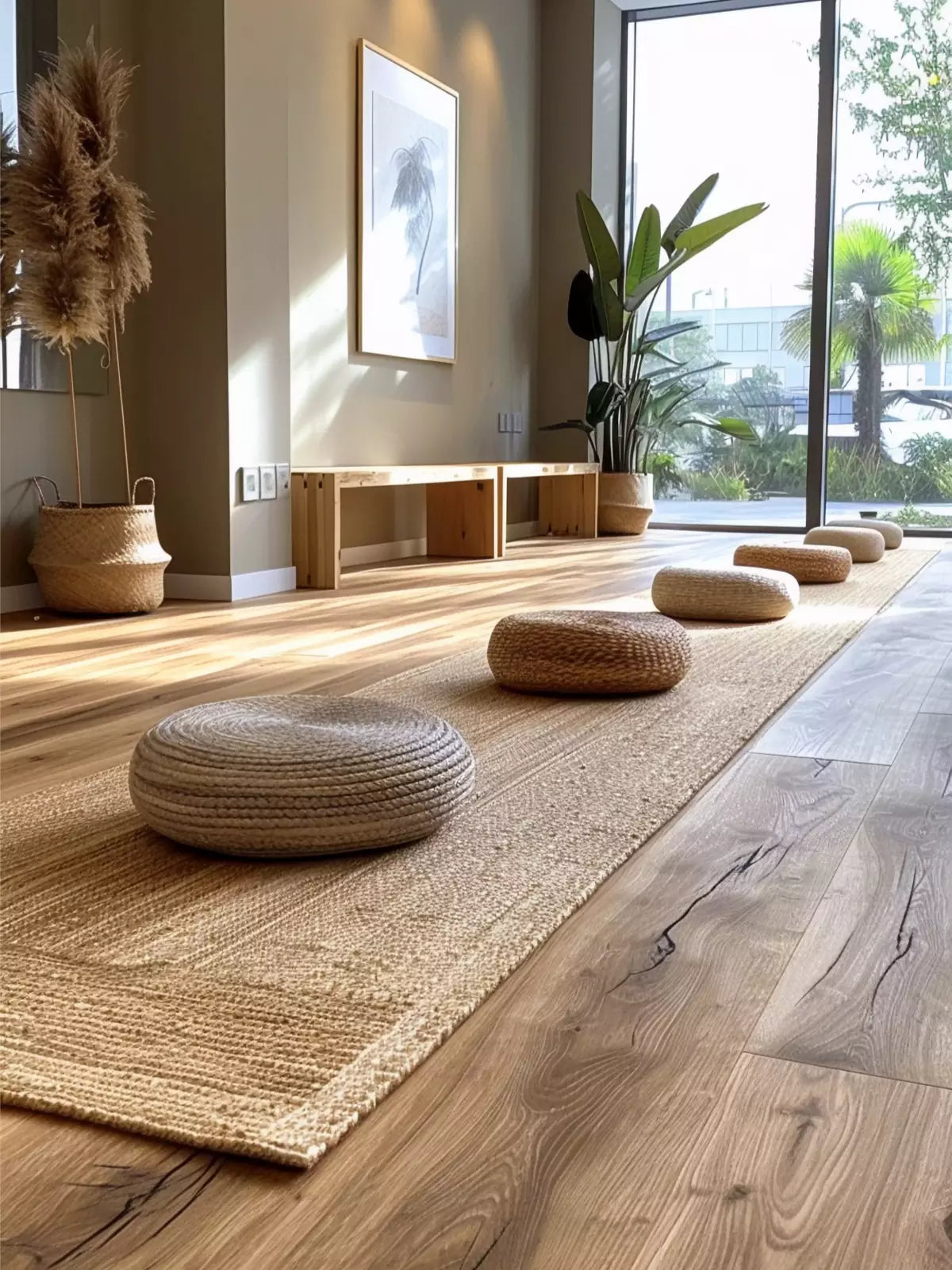
In a standard long, narrow residential corridor, a continuous low-profile runner is highly recommended. For sprawling entryways that transition directly into a mudroom or a busy open-concept kitchen, the thickness needs to be uniform to prevent family members from tripping when walking between different flooring surfaces. Choosing a cotton design ensures that the transition between your bare tile and the covered runner feels completely level underfoot.
| Rug Profile Type | Average Thickness | Door Clearance | Traffic Suitability |
|---|---|---|---|
| Ultra-Low Cotton | 0.15 - 0.20 inches | Excellent (Fits under all doors) | Extreme Traffic / Mudrooms |
| Standard Low-Pile | 0.22 - 0.25 inches | Great (Standard clearance) | High Traffic / Busy Hallways |
| Plush / High-Pile | 0.50+ inches | Poor (Will jam low doors) | Low Traffic / Bedrooms Only |
If your hallway includes a major structural intersection—such as a T-shape junction leading toward a bathroom or a guest laundry room—it is often wiser to utilize two shorter, matching Runner Rugs rather than trying to force a single long rug into a space where it doesn't naturally fit. When implementing multiple rugs, keeping the thicknesses completely identical is vital for maintaining a clean, cohesive, and intentional look throughout your home's interior corridors.
For active spaces prone to heavy pet activity or wet shoes, reading up on the best washable runner rugs for busy hallways confirms that thinner options are significantly easier to clean. Thick rugs hold onto deep-set moisture and dirt, whereas a streamlined, machine-washable design allows water to evaporate quickly, avoiding mold or fiber degradation over time.
Spacing rules and common sizing mistakes
The single most common mistake homeowners make is buying a runner that is far too short for the length of their hallway. A short, thick rug floating awkwardly in the middle of a long corridor cuts the space visually, making the entire area look cramped, disjointed, and poorly planned. Your runner should ideally span roughly 75% to 80% of the entire length of the hallway, leaving an even border of exposed flooring on all sides to anchor the design beautifully.
Another frequent sizing mistake involves neglecting the perimeter borders. You should aim to maintain a standard spacing rule of 3 to 5 inches of bare floor between the edge of your rug and the baseboards. This reveals enough flooring to create a beautiful framing effect while ensuring the rug fabric doesn't curl up against the wall, which would ruin the edges and create a dangerous tripping hazard for your family.
1. Premium Low-Profile Washable Runners
Engineered specifically for problematic, low-clearance doors, our signature Washable Runner Rugs offer an incredibly sleek profile without sacrificing stability. These options fit effortlessly inside a standard home washing machine, allowing you to easily wash away muddy tracks, household dust, and unexpected pet messes.
2. The Integrated Non-Slip Performer
If you want to completely avoid the added thickness and layout shift of separate rug pads, our specialized low-profile option features a high-grade integrated non-slip backing. This design hugs your hard flooring surfaces tightly, ensuring the runner stays perfectly flat and locked in place under heavy foot traffic.
3. The Contrasting Pattern Low-Pile Option
Add a gorgeous touch of architectural interest to your home with a striking, high-contrast geometric design. Our premium Low-Pile Rugs utilize beautiful contrasting patterns to naturally mask minor tracking debris between washes, making them an excellent solution for high-traffic entry corridors.
Conclusion
Determining how thick should a hallway runner be doesn't have to be a guessing game. By focusing on precise door clearance measurements, maintaining a standard framing border along your baseboards, and selecting durable, low-pile Machine-Washable Rugs, you can elevate your home's interior styling while protecting your underlying floors for years to come.
Frequently Asked Questions
Do You Need a Rug Pad Under a Runner?
Best Runner Rug Materials for High-Traffic Areas
Related Posts

Non-Toxic Rug Materials Explained: What Is Really Hiding in Your Floor Decor?

Creative Personalized Rug Ideas for Kids' Bedrooms: Magic Underfoot

Best Rugs for Playrooms: Designing a Fun, Washable, and Safe Space

Kids Room Rug Buying Guide: How to Choose the Perfect Washable Rug

Why Personalized Name Rugs Make the Perfect Baby Shower Gift

How to Design the Perfect Personalized Kids Rug: A Step-by-Step Guide

Personalized Rugs vs. Regular Kids Rugs: Which Is Actually Worth It?