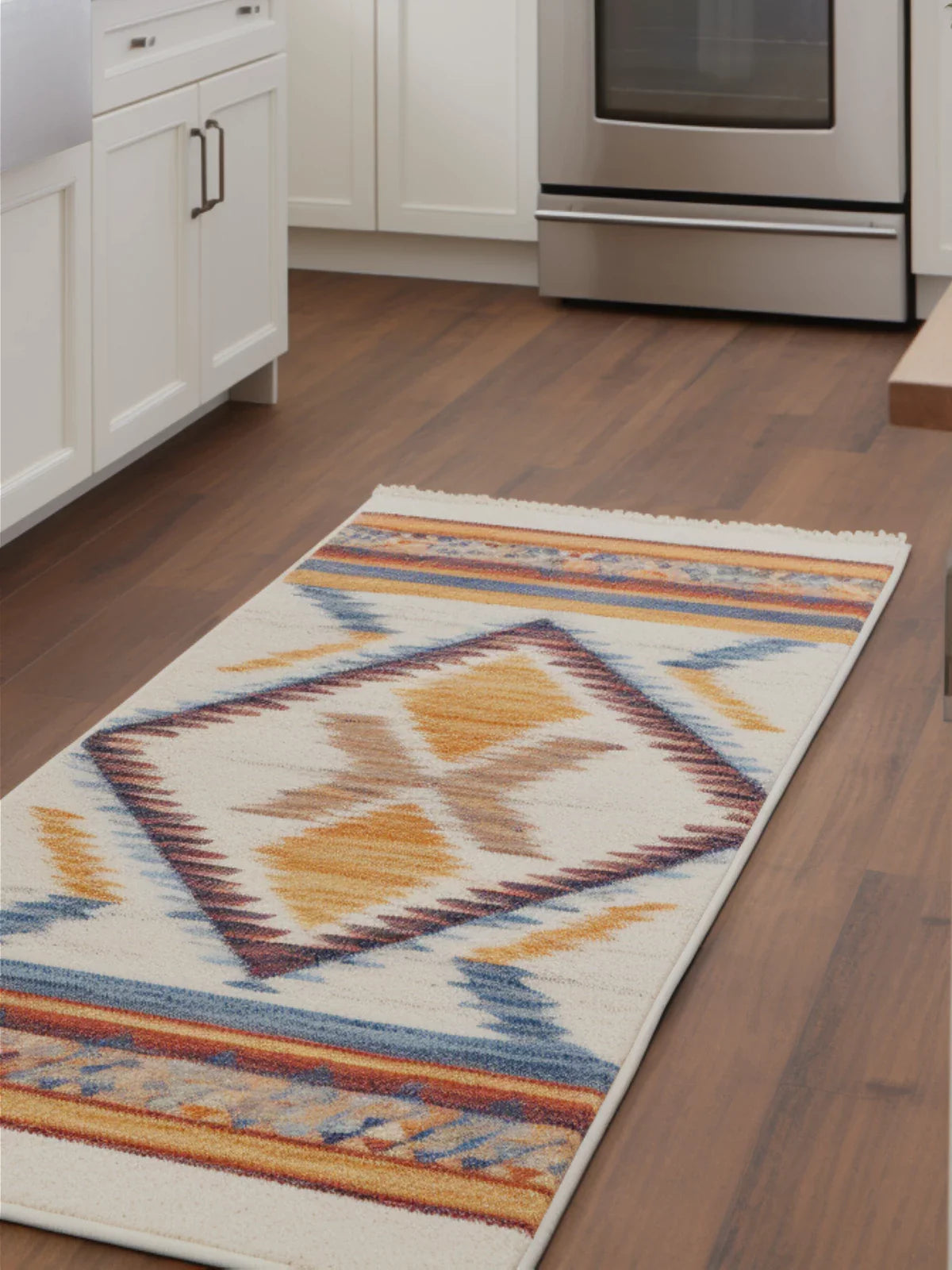
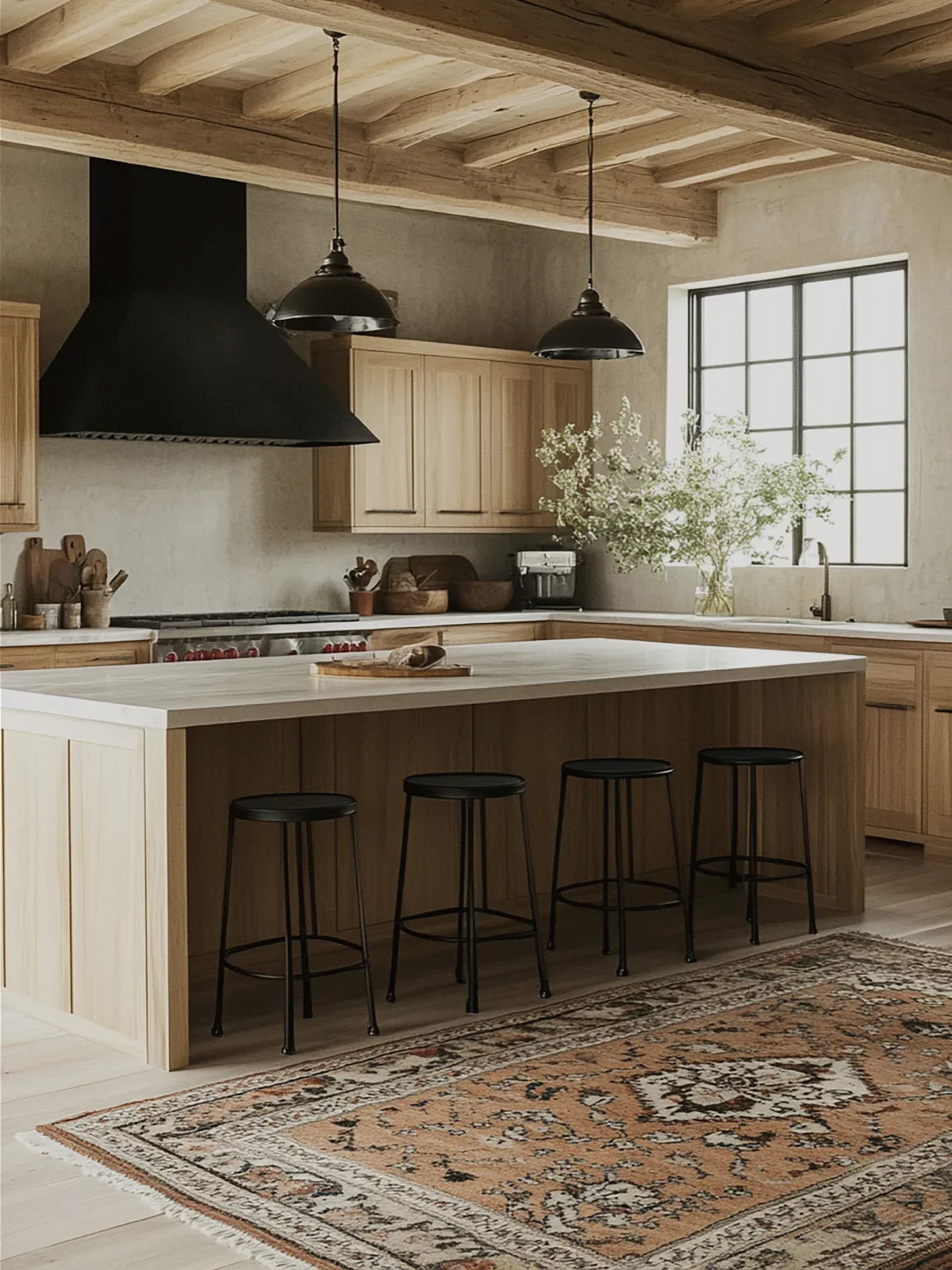
How to Measure a Hallway for a Runner Rug: The Foolproof Sizing Guide
Your hallway is the connective tissue of your home. It bridges the gap between your public entertaining areas and your private sanctuaries. Yet, when it comes to interior design, corridors are often the most intimidating spaces to decorate. They are long, narrow, and structurally unforgiving. If you simply guess the dimensions when buying a floor covering, you risk creating a space that feels either suffocatingly cluttered or awkwardly disjointed.
To create a hallway that feels expansive, welcoming, and expertly curated, you must treat your floor like a picture frame. Knowing exactly how to Measure a Hallway for a Runner Rug is a strict numbers game that relies on architectural spacing rules.
At Bella Rugs, we want your home to look like it was designed by a professional. In this comprehensive guide, we are breaking down the exact measuring methods interior designers use, highlighting the minimum clearance rules for swinging doors, and showing you how to perfectly position our premium Washable Runner Rugs to transform your corridors.
Measure the room and furniture footprint
The first step to a flawless layout requires a metal tape measure and a little bit of math. You cannot just measure the total length of the floor and buy a rug to match; you must account for the functional mechanics of the room.
The 3-Step Measurement Method
1. Get the Gross Dimensions: Measure the absolute wall-to-wall width and the absolute end-to-end length of your corridor.
2. Subtract the "Breathing Room": A runner must never touch the baseboards. Subtract 4 to 8 inches (10 to 20 cm) from your total width, and 12 to 24 inches (30 to 61 cm) from your total length. This final number is your maximum possible rug size.
3. Map the Obstacles: Note every door that swings into the hallway. Measure the gap between the bottom of the door and the floor. This clearance dictates whether you can use a plush carpet or if you must prioritize Low-Pile Rugs to prevent jams.
Factoring in Hallway Furniture
If you have a console table, a shoe rack, or a decorative bench in your hallway, you must decide how the rug interacts with it. The golden rule is consistency. You can either place the runner completely in front of the furniture (leaving a gap of bare wood), or you can rest the front legs of the console table evenly on the edge of the runner. Never let the furniture sit awkwardly half-on and half-off without intentional symmetry.
Recommended sizes by layout
Once you have your maximum dimensions, it is time to match your layout to the right textile construction. Here is how our expertly engineered Machine-Washable Rugs fit into common American hallway layouts.
Layout 1: The Tight, Multi-Door Corridor
The Solution: Bella Padded Cotton Runner.
If your hallway is lined with swinging closet and bedroom doors, clearance is your biggest enemy. Our 3-layer Cotton features a completely smooth surface that doors glide over flawlessly, while a hidden 4mm sponge core absorbs heavy footsteps. For a standard narrow hall, a 30 x 96 inch (76 x 244 cm) size in a soft, faded vintage pattern reflects light and makes the tight space feel airy.
Layout 2: The Wide, High-Traffic Entryway
The Solution: Bella Chenille Runner.
A wide foyer that handles kids running in from the garage needs massive traction. The Chenille runner boasts a heavy 1600-gram drape and an integrated dotted non-slip base that refuses to shift. For this grand space, size up to a bold 36 x 120 inch (91 x 305 cm) high-contrast geometric pattern. The dramatic length and dark geometric lines pull the eye forward, turning an empty void into an architectural statement.
For more specific recommendations on outfitting these high-impact zones, we highly recommend reading our related guides: Best Washable Runner Rugs for Busy Hallways and How to Protect Hallway Floors with Runner Rugs.
Spacing rules and common sizing mistakes
Even with the correct measurements, placement errors can ruin the visual flow of your home. Avoid these two common pitfalls that instantly make a room look disconnected.
| The Sizing Mistake | The Visual Impact | The Designer Correction |
|---|---|---|
| The "Wall-to-Wall" Trap | Makes the hallway look like a cramped, carpeted tunnel. | Always leave a 2-to-4 inch border of bare floor on both sides of the runner. |
| The "Floating Island" | A tiny rug in a long hall makes the space look unfinished. | The rug should cover at least 75% of the hallway's total length. |
The Alignment Mistake
In a long, narrow space, symmetry is everything. A runner that sits slightly diagonally will make the entire hallway feel off-balance. This is why our built-in non-slip backings are so critical. By eliminating the need for a separate, shifting rubber pad, your Bella Runner Rugs remain perfectly parallel to your baseboards week after week.
If you are looking to master spatial proportions across your entire floor plan, our masterclass on How to Choose the Perfect Rug breaks down the sizing rules for living rooms and dining areas as well.
Frequently Asked Questions
What size should I choose?
For most standard U.S. hallways, a 30 x 96 inch (76 x 244 cm) runner is the ideal starting point. If your hallway is exceptionally wide (over 4 feet across) or very long, you should scale up to a 36 x 120 inch (91 x 305 cm) rug to maintain proper proportions.
How much floor should show around the rug?
The industry standard is to leave a minimum of 2 to 4 inches (5 to 10 cm) of bare floor visible on both the left and right sides of the runner. On the ends of the hallway, try to leave 6 to 12 inches (15 to 30 cm) of bare floor before the rug starts.
Should I size up or down if I am between sizes?
Always size down. It is far better to have a runner that reveals a little too much beautiful hardwood floor than to have a runner that curls up against the baseboards, which looks messy and creates a severe tripping hazard.
Create a Flawless Flow
A well-measured hallway doesn't just protect your floors; it creates a psychological bridge that makes your entire home feel larger, calmer, and expertly designed. By calculating your clearances, honoring the negative space around the edges, and utilizing high-performance materials, you can curate a flawless transition space.
Stop guessing your floor plan. Take your measurements, explore the perfectly proportioned, fully washable collections at Bella Rugs today, and anchor your corridors with absolute confidence.
Farewell to Boring Hallways: How to Perfectly Match Your Gallery Wall and Runner Rug
Best Washable Lattice Rugs: Combining Geometric Elegance with Effortless Living
Related Posts

Should All Furniture Sit on the Rug? The Ultimate Layout Guide

What Is a Lattice Rug? The Geometric Secret to Effortless Room Design

Best Colors for Lattice Rugs: How to Choose the Perfect Palette for Your Home

Modern Lattice Rug Ideas: Elevating Your Home's Architecture

Lattice Rugs for Living Rooms: How to Anchor Your Space with Light and Lifestyle in Mind

Best Washable Lattice Rugs: Combining Geometric Elegance with Effortless Living