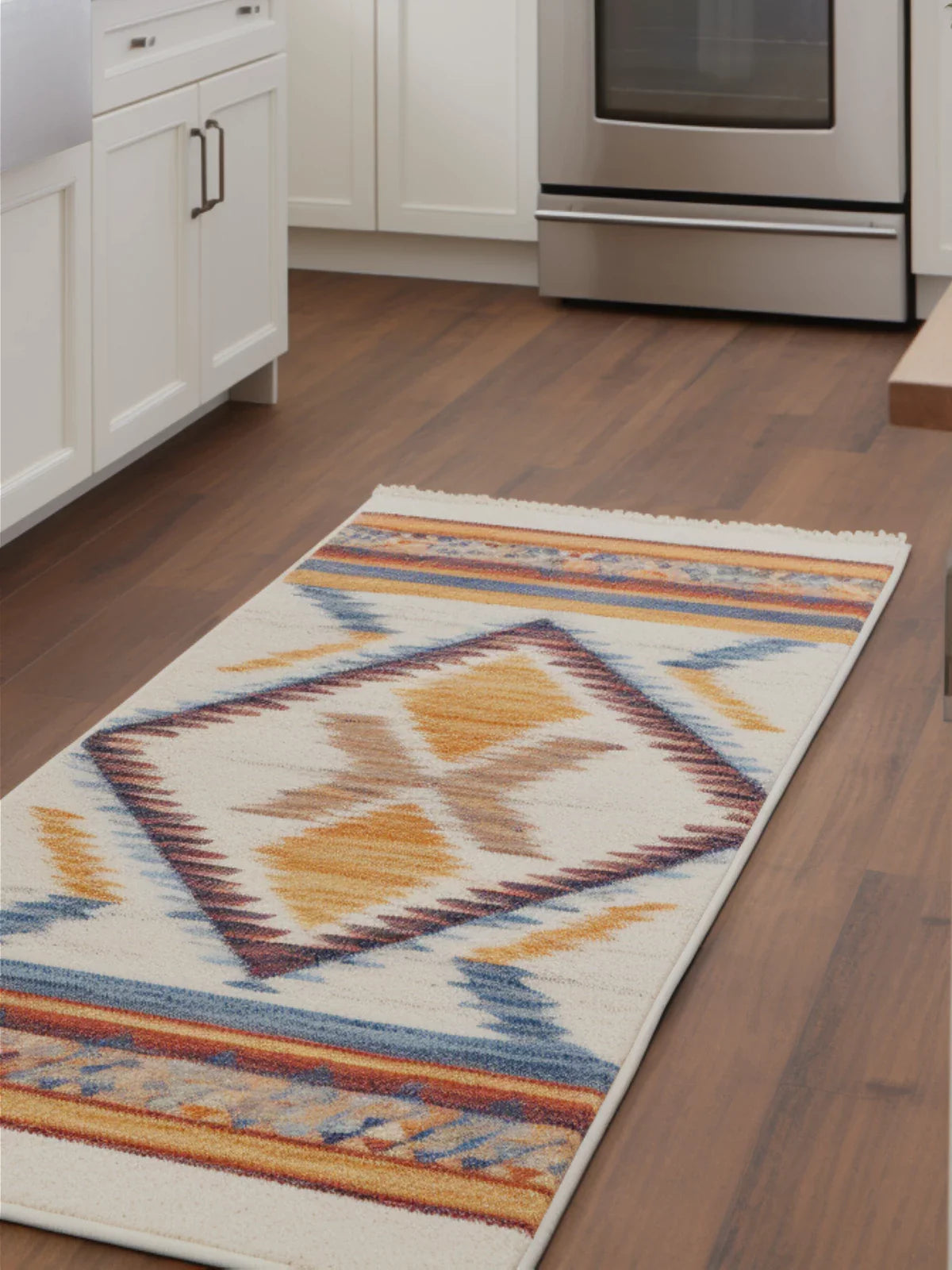
Farewell to Boring Hallways: How to Perfectly Match Your Gallery Wall and Runner Rug
For most homeowners, the hallway is merely a functional pathway—a means to get from the living room to the bedroom. Because it lacks the square footage for real furniture, it is often left completely bare, resulting in a dark, uninspiring tunnel. If you have recognized this design flaw, you have likely considered the ultimate interior design solution: the gallery wall.
A well-curated gallery wall adds immense personality, transforming a sterile corridor into a highly personal exhibition. However, decorating a hallway is an exercise in balancing vertical and horizontal planes. If you cover your walls in beautiful art but leave the floor bare (or use a mismatched, uninspired mat), the space instantly feels "top-heavy" and disconnected.
To create a truly breathtaking transitional space, your gallery wall must be grounded by the perfect hallway runner rug. At Bella Rugs, we specialize in foundational pieces that tie entire rooms together. In this expert design guide, we will show you exactly how to harmonize your artwork with your floor coverings, balancing color, pattern, and texture to bid a final farewell to boring hallways.
1. The Golden Rule of Harmony: Visual Weight and Balance
When pairing two highly decorative elements—a wall full of art and a patterned rug—the biggest risk is visual chaos. If both elements are screaming for attention, the hallway will feel cluttered, stressful, and physically narrower. The secret to harmony is balancing the "visual weight."
Scenario A: The Eclectic, Busy Gallery Wall
If your gallery wall features a mix of colorful paintings, mismatched vintage frames, photographs, and typography, your walls are carrying a massive amount of visual weight.
The Rug Solution: "The Quiet Anchor"
You need a runner that grounds the space without competing with the art. Opt for a rug with a tonal pattern (like a soft greige geometric or a faded, low-contrast vintage motif). The rich texture of a chenille runner in a solid or subtle cream will provide the necessary warmth and safety on the floor, allowing your eclectic art collection to remain the undisputed focal point.
Scenario B: The Minimalist, Uniform Gallery Wall
Perhaps your gallery wall is highly structured. You have a neat grid of black-and-white architectural photographs, all housed in identical, sleek black frames. This provides a very clean, somewhat sterile aesthetic.
The Rug Solution: "The Statement Maker"
This is where you let the floor do the talking. A minimalist wall is crying out for a bold, colorful, or highly detailed runner. A vibrant Persian-style print or a striking high-contrast geometric Cotton runner will inject life, movement, and energy into the space, perfectly balancing the rigid structure of the frames above.
2. The Color Connection: Tying it All Together
You do not want your rug and your art to look completely unrelated, nor do you want them to be perfectly "matchy-matchy." The goal is cohesion.
The "Echo" Technique
Look closely at your gallery wall and identify a secondary or tertiary color—a color that appears in a few of the paintings but isn't the dominant wall color. It could be a soft sage green, a burnt orange, or a muted navy. Choose a runner rug that features this exact color in its pattern. This subtle "echo" draws the eye smoothly from the floor to the ceiling, tricking the brain into perceiving the hallway as one unified, custom-designed space.
Working with Frames
The color and material of your picture frames should also dictate your rug choice:
- Warm Woods (Oak, Walnut): Pair beautifully with earthy runners. Look for warm beiges, terracottas, and deep greens to enhance the natural, organic feel.
- Sleek Metals (Gold, Brass): Elevate the luxury with an elegant ivory or cream chenille runner.
- Harsh Black Frames: Black frames can look heavy. Soften the contrast by choosing a runner that incorporates a mix of light greys and charcoal, bridging the gap between a light floor and the dark frames.
3. Mastering Proportion and Placement
A gallery wall and a runner rug both play tricks on the human eye. If positioned incorrectly, they can make your hallway feel claustrophobic.
Framing the Floor
As we always advise, your runner must never touch the baseboards. You must leave 2 to 4 inches (5 to 10 cm) of bare wood or tile exposed on both sides of the rug. This creates a "breathing border" that visually widens the floor.
Framing the Wall
The same rule applies to your gallery wall. Do not hang art all the way down to the floor. Keep your gallery arrangement at eye level (the center of the gallery should be roughly 57 to 60 inches from the floor). Leaving empty wall space between the bottom of the frames and the floor prevents the hallway from feeling like a cluttered storage closet and ensures the rug and the art don't visually "collide."
4. Lighting: The Crucial Third Element
You have matched your rug and your art perfectly, but you cannot see them. Hallways are notoriously dark, which can muddy the colors of both your gallery and your runner.
Wash the Walls, Not the Floor
Instead of a single, harsh ceiling light that casts shadows down the hallway, use track lighting or adjustable recessed lights to angle the beams directly onto your gallery wall. The art will reflect this light, illuminating the space beautifully.
The Light-Reflecting Runner
To maximize this ambient light, choose a runner with a high Light Reflectance Value (LRV). Even if your art is dark and moody, placing a soft, light-colored (ivory, cream, or light grey) Cotton or Chenille runner on the floor acts as a giant reflector. It bounces the gallery lighting back up, making the ceiling feel higher and the entire corridor feel expansive.
5. The Practical Reality: Hallways Require Durability
While we are focusing on aesthetics, we can never ignore the harsh reality of a high-traffic hallway. Your beautiful gallery wall might just need a light dusting once a month, but your runner rug is going to endure muddy shoes, pet paws, and daily friction.
Why Washability is the Final Piece of the Puzzle
If you invest time in creating a stunning visual harmony between your walls and your floor, a dirty, stained rug will ruin the entire illusion. This is why our 3-layer padded Cotton and our non-slip Chenille rugs are essential for this space.
Both constructions are entirely machine-washable. When the vibrant colors of your runner start to look a bit dull from daily foot traffic, you don't have to panic. You simply toss the rug into your home washing machine on a gentle 30°C (86°F) cycle. The cold wash protects the integrity of the design, ensuring that your carefully curated hallway harmony remains pristine and magazine-ready for years to come.
6. Summary: The Hallway Harmony Checklist
| Design Element | The Gallery Wall | The Matching Runner Rug |
|---|---|---|
| Visual Balance | Busy / Eclectic Art | Subtle, tonal, or solid colored rug |
| Visual Balance | Minimalist / Uniform Grid | Bold, colorful, heavily patterned rug |
| Color Cohesion | Identify a minor accent color in the art | Choose a rug that features that exact accent color |
| Clearance & Safety | Keep art at eye-level (57" from floor) | Ensure runner clears doors (Cotton) or grips floor (Chenille) |
| Maintenance | Dust frames monthly | Machine wash at 30°C to maintain vibrant colors |
Curate Your Complete Corridor
Your hallway should be an experience, a beautiful transition that tells the story of your home's unique style. By treating the walls and the floor as two halves of the same canvas, you can banish the boring, tunnel-like corridor forever. Balance your patterns, echo your colors, and always prioritize the practicality of washable textiles.
Ready to complete your hallway masterpiece? Explore the stunning, high-definition printed designs of our fully machine-washable runner collections at Bella Rugs, and find the perfect anchor for your gallery wall today.
5 Decoration Secrets to Make Narrow Hallways Look Wider and Brighter
How to Measure a Hallway for a Runner Rug: The Foolproof Sizing Guide
Related Posts

Should All Furniture Sit on the Rug? The Ultimate Layout Guide

What Is a Lattice Rug? The Geometric Secret to Effortless Room Design

Best Colors for Lattice Rugs: How to Choose the Perfect Palette for Your Home

Modern Lattice Rug Ideas: Elevating Your Home's Architecture

Lattice Rugs for Living Rooms: How to Anchor Your Space with Light and Lifestyle in Mind

Best Washable Lattice Rugs: Combining Geometric Elegance with Effortless Living