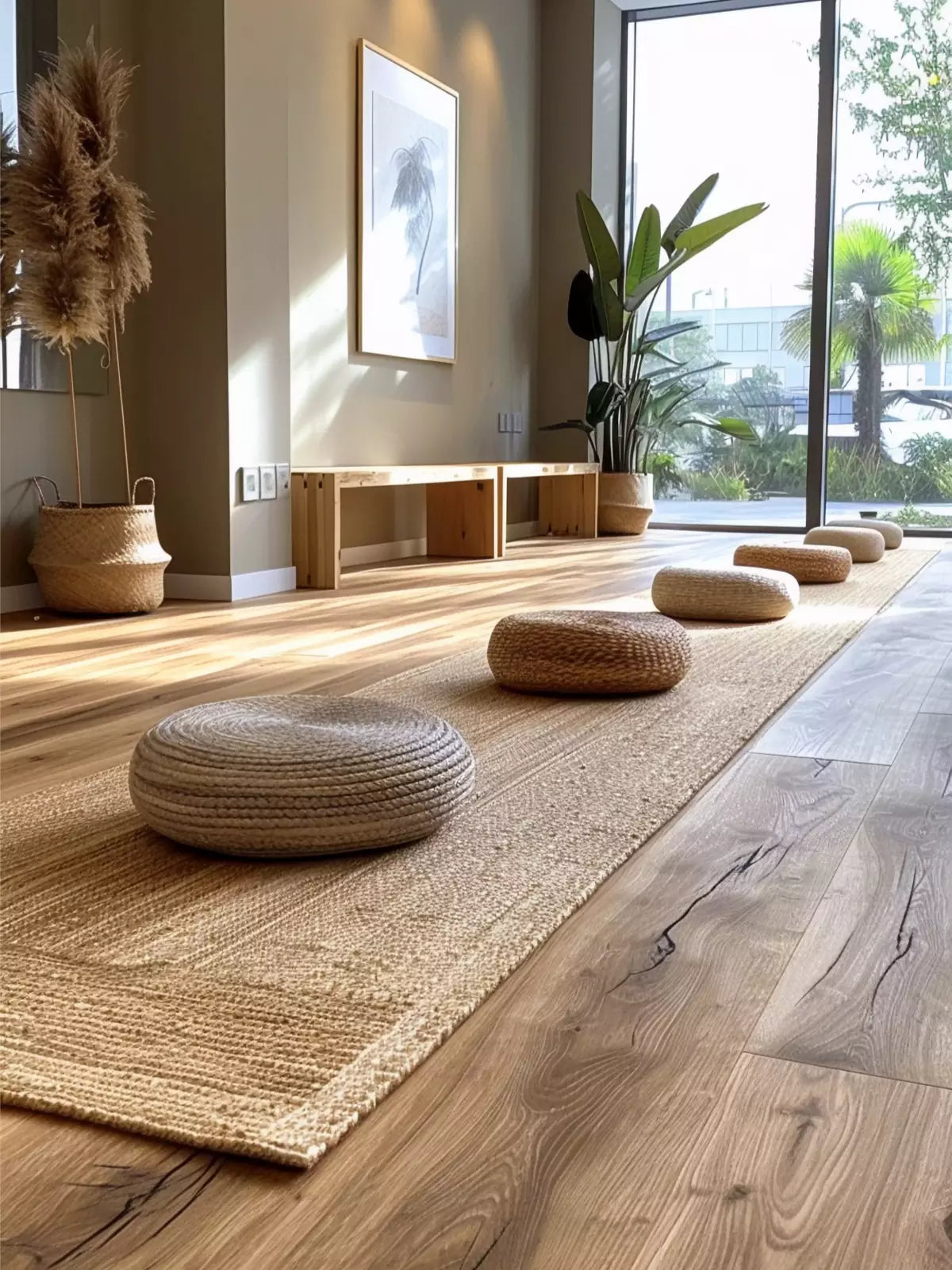
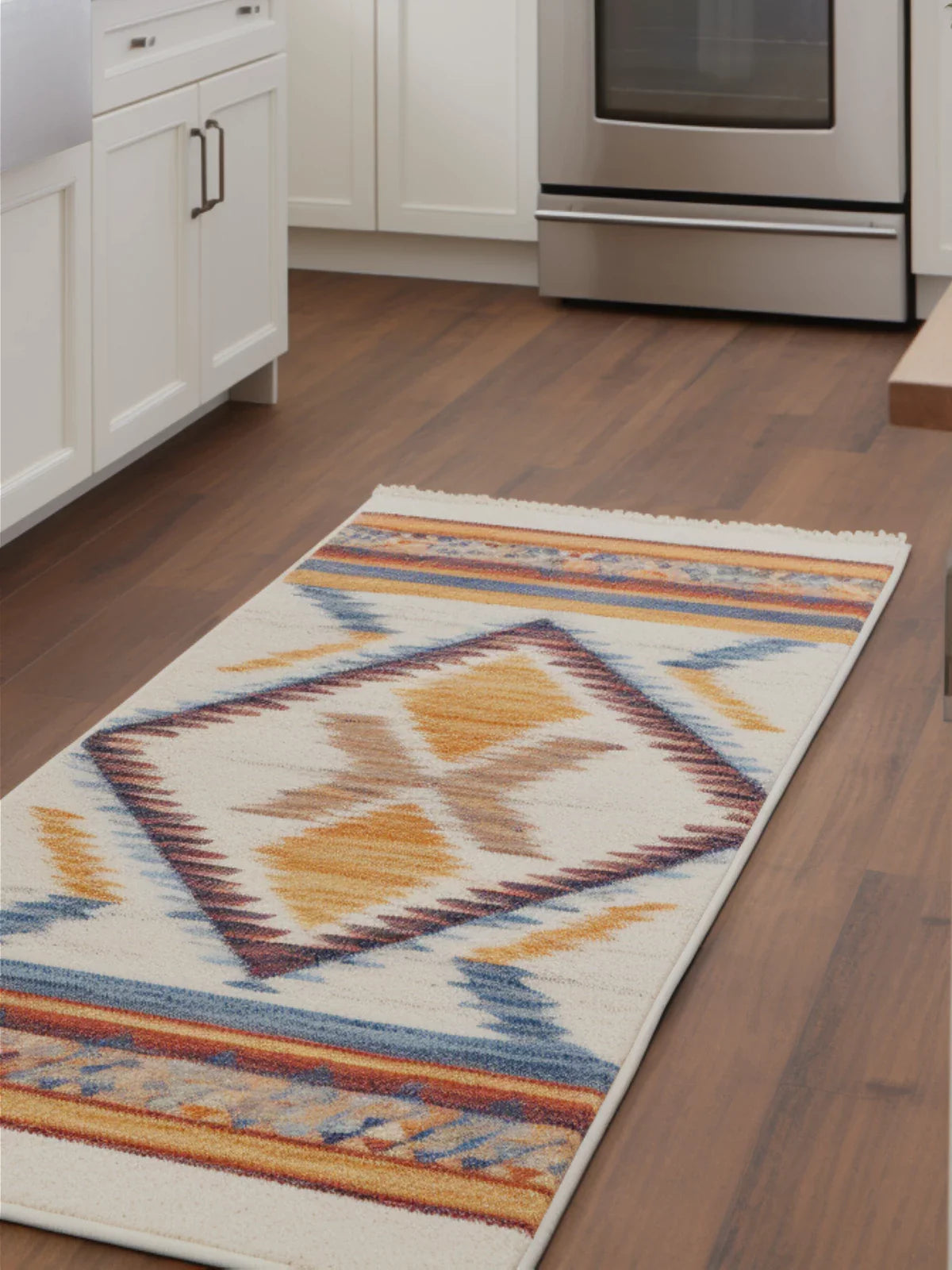
5 Decoration Secrets to Make Narrow Hallways Look Wider and Brighter
The hallway is often the most neglected space in a home. We treat it as a mere transition zone—a dark, narrow tunnel we rush through to get from the front door to the living room or from the bedroom to the kitchen. However, from an interior design perspective, hallways are the arteries of your home. They set the tone, create the first impression for guests, and visually connect your living spaces.
If you have a narrow, cramped, or windowless hallway, you might feel like your design options are severely limited. You cannot knock down load-bearing walls, but you can trick the eye. Using the principles of visual perception, color theory, and clever flooring choices, you can completely transform a tight corridor into an open, inviting gallery.
At Bella Rugs, we specialize in foundational decor that transforms how a room feels. In this comprehensive guide, we are sharing interior designers’ top five secrets to making a narrow hallway look and feel significantly wider, brighter, and more welcoming.
1. The Magic of the Runner Rug (Creating Visual Length and Width)
The most impactful change you can make to a narrow hallway lies right beneath your feet. The floor is the largest continuous surface in a corridor, making it your biggest opportunity to manipulate visual space. The secret weapon here is the runner rug.
How Runners Trick the Eye
When you place a long, continuous runner down a hallway, it draws the eye forward. This creates a "bowling alley" effect that elongates the space. But how do you make it look wider?
- Stripes and Patterns: Opt for runners with horizontal stripes or geometric patterns that stretch across the width of the rug. This horizontal movement forces the eye to scan left and right, creating an optical illusion of a wider floor plan.
- Light and Airy Colors: Dark, heavy floors absorb light and make the walls feel closer together. Choose runner rugs with bright, airy, or neutral tones (like cream, soft grey, or pastel hues) to reflect light upward.
The Bella Rugs Advantage for Hallways
Hallways are the highest-traffic areas in any home. They endure dirty shoes, muddy paws, and constant pacing. When selecting a runner for this space, practicality must match aesthetics.
- Stay Anchored with Chenille Rugs: A runner that slides around in a narrow space looks messy and is dangerous. Our Chenille rugs feature a 2-layer construction with a heavy 1600g weight and a dotted non-slip cotton backing. Once you place it in your hallway, it stays perfectly stable—no constant readjusting required.
- Low Profile with Cotton: If your hallway has multiple doors that open into it, thick rugs will block the doors from sweeping open. Our Cotton rugs feature a 3-layer padded cotton-base structure with a 4 mm sponge core. They provide supreme underfoot comfort while maintaining an ultra-low profile that doors glide right over.
- Effortless Hygiene: Both our Cotton and Chenille runners are fully machine washable. When the hallway gets dirty, simply toss the runner in the washing machine on a gentle cycle at 30°C (86°F). Plus, their smooth edges and low pile make them 100% compatible with your robot vacuum for daily maintenance.
2. Leave a "Breathing Space" on the Floor
A common mistake homeowners make is buying a runner that is too wide for their hallway. If the rug touches the baseboards on either side, it creates a suffocating, wall-to-wall carpet effect that emphasizes how narrow the space truly is.
The Rule of Margins
To make a hallway look wider, you must expose the edges of your hard flooring. Aim to leave at least 2 to 4 inches (5 to 10 cm) of bare floor visible on both sides of the runner. This visible border of wood or tile creates a framing effect, tricking the brain into perceiving the floor area as more expansive than it actually is. It provides "breathing room" that visually pushes the walls outward.
3. Color Psychology: Blurring the Lines
In narrow spaces, contrast is not always your friend. Sharp contrasts between the walls, the ceiling, and the trim draw attention to the exact dimensions of the room, highlighting its limitations.
The "Color Drenching" Technique
Interior designers use a technique called "color drenching" to expand small spaces. This involves painting the walls, the baseboards, the door frames, and even the ceiling the exact same color.
- Erase the Boundaries: When there is no contrasting white trim to define where the wall ends and the ceiling begins, the edges of the room blur. The brain cannot easily measure the space, making it feel vast and continuous.
- Choosing the Right Hue: While crisp white is the classic choice for reflecting light, soft, warm neutrals (like pale greige, blush, or soft sage) add character without closing in the walls. High-gloss or satin paint finishes also help bounce light around the narrow corridor.
4. Elevate the Lighting and Harness Reflections
Narrow hallways are notorious for being dark because they rarely have their own windows. A dark tunnel feels instinctively claustrophobic. You must artificially introduce light and movement.
Banish the Single Flush-Mount Fixture
A single ceiling light in the center of a long hallway casts harsh shadows in the corners, making the space feel smaller. Instead, use multiple light sources to wash the walls with light.
- Wall Sconces: Install wall sconces that direct light upward and downward. Washing the walls with light visually pushes them back.
- The Mirror Trick: Mirrors are the oldest trick in the design book for a reason. Placing a large mirror on one side of a narrow hallway instantly doubles the visual width of the space. If placed strategically opposite a doorway that receives natural light, the mirror will bounce that sunlight deep into the dark corridor.
5. Float the Furniture (or Ditch it Entirely)
Clutter is the enemy of a narrow hallway. When floor space is limited, any object resting on the floor—like a bulky shoe rack, a heavy wooden bench, or a deep console table—acts as a visual roadblock. It physically narrows the walkway and makes the space feel cramped.
Go Vertical and Keep it Floating
- Floating Consoles: If you need a place to drop your keys and mail, install a narrow, wall-mounted floating shelf instead of a traditional table with legs. By keeping the floor underneath the shelf completely clear, you maintain the continuous visual line of the hallway.
- Recessed Storage: If you are renovating, consider recessing shallow shelving into the wall between the studs rather than building outward into the hallway.
- Keep It Above the Waist: Draw the eye upward by hanging a gallery wall of framed art or photos. Keep the frames relatively flat against the wall so they don't protrude into the walking path.
Quick Summary: Hallway Expansion Checklist
| Design Element | What to Avoid (Makes it look narrower) | What to Do (Makes it look wider) |
|---|---|---|
| Runner Rugs | Wall-to-wall coverage, dark solid colors | Leave 2-4" of bare floor on sides, use light patterns |
| Paint & Walls | Contrasting dark trim against white walls | "Color drenching" walls, ceiling, and trim in one light hue |
| Lighting | One single, dim ceiling light | Multiple wall sconces to wash walls with light |
| Furniture | Bulky floor-standing cabinets or shoe racks | Wall-mounted, floating shelves or no furniture at all |
| Decor | Cluttered floor space | Mirrors on the wall to double visual width |
FAQ: Decorating Narrow Hallways
Q: How long should a hallway runner be?
A: A runner should cover the majority of the hallway, but it should not run perfectly flush from end to end. Just as you leave space on the sides, leave about 4 to 6 inches of bare floor at both ends of the hallway to frame the rug beautifully.
Q: Are patterned rugs too busy for a small hallway?
A: Not at all! In fact, a highly detailed patterned rug (like a vintage or distressed motif) is excellent for hallways because it hides everyday dirt and footprints exceptionally well. Just ensure the base color of the pattern is light enough to keep the space bright.
Q: Which is better for a hallway: Cotton or Chenille?
A: Both are excellent, but it depends on your floor. If your hallway floor is very slippery (like polished tile), the Chenille rug’s dotted non-slip backing provides ultimate stability. If you have multiple doors opening into the hallway with low clearance, the smooth, low-profile Cotton is the safer choice to prevent doors from catching.
Transform Your Corridors Today
A narrow hallway doesn't have to be a dark, ignored passageway. By applying these five simple design secrets—focusing on light, color, proportion, and the strategic placement of a beautiful, practical runner—you can turn your hallway into a grand, welcoming gallery.
Explore the stunning variety of machine-washable, robot-vacuum-friendly runners at Bella Rugs and take the first step toward a brighter, wider-feeling home.
How to Choose a Rug That Matches Your Wall Color
Farewell to Boring Hallways: How to Perfectly Match Your Gallery Wall and Runner Rug
Related Posts

Should All Furniture Sit on the Rug? The Ultimate Layout Guide

What Is a Lattice Rug? The Geometric Secret to Effortless Room Design

Best Colors for Lattice Rugs: How to Choose the Perfect Palette for Your Home

Modern Lattice Rug Ideas: Elevating Your Home's Architecture

Lattice Rugs for Living Rooms: How to Anchor Your Space with Light and Lifestyle in Mind

Best Washable Lattice Rugs: Combining Geometric Elegance with Effortless Living

How to Measure a Hallway for a Runner Rug: The Foolproof Sizing Guide