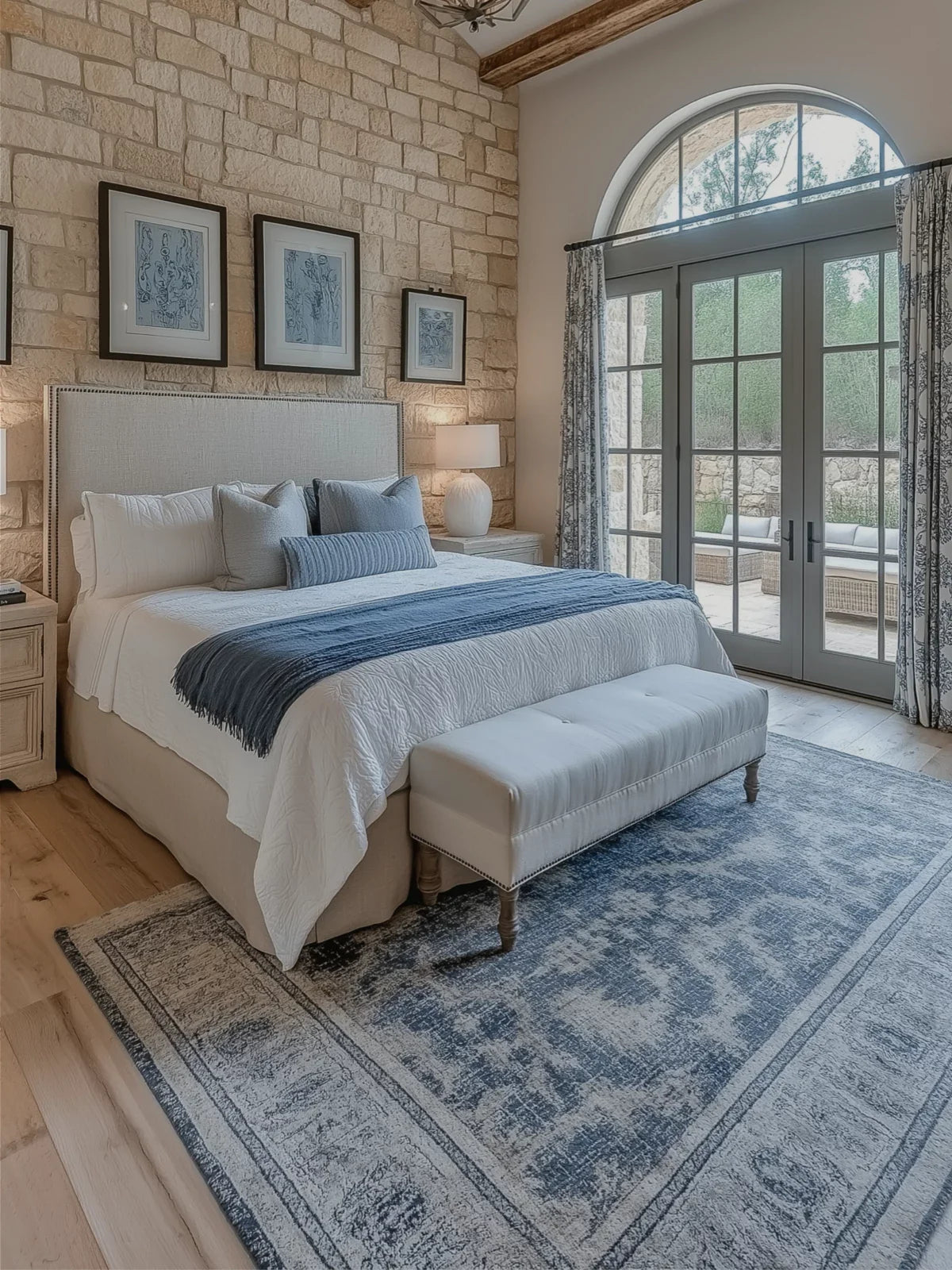
Bedroom Rug Size Guide: Crafting a Restorative Sanctuary
Choosing the right bedroom rug size can transform your sleeping space from ordinary to genuinely inviting. A well-sized rug anchors the room, adds warmth underfoot, and creates a cohesive visual foundation that ties your furniture and decor together. Yet many people overlook this decision, either selecting a rug that's too small to make an impact or too large for the space. The key is understanding how your bed size, bedroom dimensions, and furniture layout work together to guide your rug selection. This guide walks you through every consideration you need to choose a bedroom rug size that balances aesthetics, comfort, and practicality.
Why Bedroom Rug Size Matters More Than You Think
A bedroom rug does more than add softness beneath your feet. It influences how proportional and balanced your entire room feels. A rug that's too small can make the space feel disjointed and visually incomplete, leaving awkward gaps of bare flooring that draw the eye. Conversely, an oversized rug can overwhelm a modest bedroom, making it feel cramped and crowded.
Beyond aesthetics, the right rug size affects everyday comfort and functionality. A properly sized rug gives you a warm surface to step onto when you leave bed in the morning, stabilizes furniture placement, and can even help define zones within an open-concept bedroom. It's also a practical choice for protecting your flooring and adding an extra layer of sound dampening in bedrooms above other living spaces.
Measuring Your Bedroom and Bed Before You Shop
The foundation of any good rug decision is accurate measurement. Start with your bed dimensions, then measure the overall bedroom space to understand how much floor area you're working with.
Standard Bed Sizes
Knowing your exact mattress size helps you choose a rug that complements rather than competes with your bed. Here are the standard mattress dimensions:
- Twin: 39 inches wide x 75 inches long (approximately 99 x 191 cm)
- Full: 54 inches wide x 75 inches long (approximately 137 x 191 cm)
- Queen: 60 inches wide x 80 inches long (approximately 152 x 203 cm)
- King: 76 inches wide x 80 inches long (approximately 193 x 203 cm)
Measuring Your Bedroom Floor
Use a tape measure to record your bedroom's length and width. Note where doorways, closets, and major furniture pieces sit. Understanding the full layout prevents you from selecting a rug that blocks a doorway or creates an awkward traffic flow. Pay attention to wall space on either side of the bed and at the foot of the bed, as these areas determine how much visible rug you can include without overwhelming the room.
How Much Rug Should Show Around Your Bed
A common design principle is allowing 18 to 24 inches (46 to 61 cm) of visible rug on all sides of the bed. This creates a balanced frame around your sleeping area without requiring an impractically large rug. However, the ideal measurement depends on your room's overall size and your placement preference.
If you have a smaller bedroom, even 12 to 18 inches (30 to 46 cm) of visible rug can work well. In spacious bedrooms, you may want 24 inches (61 cm) or slightly more on the sides and foot of the bed to fill the visual space without looking sparse.
Choosing Rug Sizes for Different Bed Sizes
Bedroom Rug Sizes by Bed Type and Room Size
The following table pairs common bed sizes with recommended rug dimensions based on bedroom size. These recommendations assume you want 18 to 24 inches (46 to 61 cm) of visible rug surrounding the bed sides and foot.
| Bed Size | Small Bedroom (under 120 sq ft) | Medium Bedroom (120-180 sq ft) | Large Bedroom (180+ sq ft) |
|---|---|---|---|
| Twin | 2' x 3' (60 x 90 cm) or skip a rug | 2' x 4' (60 x 120 cm) | 3' x 5' (90 x 150 cm) |
| Full | 2' x 4' (60 x 120 cm) | 3' x 5' (90 x 150 cm) | 4' x 6' (120 x 180 cm) |
| Queen | 3' x 5' (90 x 150 cm) | 4' x 6' (120 x 180 cm) | 5' x 7' (150 x 210 cm) |
| King | 4' x 6' (120 x 180 cm) | 5' x 7' (150 x 210 cm) | 6' x 9' (180 x 270 cm) |
These are general guidelines. Your specific choice should account for your furniture arrangement, ceiling height, and personal preference for how much floor you want to see.
Rug Placement Options: Under the Bed, Alongside, or Runners
Once you know what rug size to consider, your next decision is where to position it. Different placement strategies create different visual effects and serve different practical needs.
Placement Strategy Comparison
| Placement Method | How It Works | Best For | Considerations |
|---|---|---|---|
| Rug Fully Under Bed | The entire rug sits underneath the bed frame, with only the edges visible from the sides | Creating a unified look and protecting flooring directly under the bed | May go unnoticed visually; requires enough floor-to-bed clearance to fit the rug without creating bumps |
| Rug Partially Under Bed | The rug is positioned so part of it slides under the bed footboard while the rest extends into the room | Balancing visual impact with practical anchoring of the bed | Creates a frame effect; easiest to clean and rearrange; most common for residential bedrooms |
| Two Runners Alongside Bed | Two separate 2' x 6' (60 x 180 cm) or 2' x 8' (60 x 240 cm) runners are placed on either side of the bed, running lengthwise | Long, narrow bedrooms or rooms with limited floor space at the foot of the bed | Adds warmth and visual interest on both sides; may require two separate rugs; good for high-traffic pathways |
| Small Rug at Foot of Bed | A 2' x 3' (60 x 90 cm) or 3' x 5' (90 x 150 cm) rug is positioned only at the foot of the bed | Very small bedrooms or rooms with other furniture (bench, dresser) at the foot | Adds visual interest without overwhelming the space; leaves most flooring visible; less practical for morning foot comfort |
Rug Size Examples for Common Bedroom Layouts
Small Master Bedroom with a Queen Bed
A typical master bedroom measuring 12 feet by 14 feet (approximately 144 square feet) works well with a 4' x 6' (120 x 180 cm) rug positioned partially under the bed. This placement allows about 18 inches (46 cm) of visible rug on the sides and foot, creating a balanced frame without consuming too much visual floor space. The rug anchors the bed while leaving adequate open flooring around dressers, nightstands, and walkways.
Guest Bedroom with a Full Bed
Guest rooms are often modest in size. A 3' x 5' (90 x 150 cm) rug works ideally with a full-size bed in a room measuring approximately 10 feet by 12 feet (120 square feet). Positioned partially under the bed, it provides visible rug space on both sides while respecting the room's compact footprint. If the room is particularly narrow or furniture is tight against the walls, consider a 2' x 4' (60 x 120 cm) runner instead.
Spacious Bedroom with a King Bed
Larger bedrooms benefit from proportionally larger rugs. A 5' x 7' (150 x 210 cm) rug complements a king bed in a bedroom measuring 16 feet by 18 feet or larger. Positioned partially under the bed, this size creates a generous frame and makes the expansive room feel more cohesive. If your king bedroom is exceptionally large, a 6' x 9' (180 x 270 cm) rug can work, though placement becomes more critical to avoid making the rug feel small relative to the space.
Positioning Your Rug in Relation to Furniture
Beyond the bed itself, consider how your rug interacts with other bedroom furniture. Nightstands should ideally sit partially on the rug to anchor them as part of a cohesive sleeping zone. If you have a dresser or bench at the foot of the bed, ensure your rug placement doesn't interfere with opening drawers or moving the piece. Doorways should remain completely clear of rug edges to prevent tripping hazards and maintain traffic flow.
For bedrooms with seating areas or reading nooks, a secondary smaller rug can define that zone separately from your main bed-focused rug. Keep the two rugs visually distinct in color or pattern so they feel intentional rather than accidental.
How Rug Shape, Color, and Pattern Affect Bedroom Proportions
Rectangular rugs are the standard for bedrooms and work with any bed size and placement. They create clean lines that complement the geometric form of the bed itself. However, rug color and pattern have significant visual impact.
Lighter-colored rugs make a room feel more spacious and airy, which is especially valuable in smaller bedrooms. Darker rugs add sophistication and can ground a large space, but they may make compact rooms feel smaller. Neutral tones like cream, gray, and soft beige pair easily with various bedroom styles, while patterned rugs introduce visual interest and can tie together your color scheme.
Texture also matters. A plush, high-pile rug feels luxurious and adds warmth, while a flatweave or low-pile option is easier to maintain and works well in high-traffic spaces or homes with pets and children.
Matching Your Rug to Your Bedroom Style
Your rug should enhance your bedroom's aesthetic without competing for attention. In a minimalist bedroom, choose a simple solid or subtly textured rug that recedes visually. For traditional bedrooms, consider classic patterns like oriental designs or Persian-inspired motifs. Contemporary spaces pair well with geometric patterns, solid jewel tones, or textured natural fibers. Bohemian bedrooms embrace colorful patterns, while farmhouse styles suit lighter, more understated designs.
The rug's edges and fringe (if any) should align with your overall design scheme. Some modern spaces benefit from rugs with clean, bound edges, while traditional settings can accommodate decorative fringe or tassels.
Practical Considerations: Comfort, Stability, and Maintenance
Walking Comfort
The padding and material composition of your rug directly affect morning comfort. A well-cushioned rug with good underpadding feels softer underfoot than a thin, flat-weave option. If foot comfort is a priority, consider a rug with a thicker pile or add a high-quality rug pad underneath.
Furniture Stability
Heavier bedroom furniture like nightstands and dressers should sit at least partially on your rug to prevent the feet from sinking into pile or the rug from sliding. Using a non-slip rug pad underneath (which is recommended regardless) further prevents shifting. This is especially important if you have hardwood or tile flooring.
Cleaning and Maintenance
Bedroom rugs require regular vacuuming, especially high-traffic areas and lighter-colored options that show dust more readily. Some materials are easier to maintain than others. Natural fiber rugs like jute or sisal offer durability but can stain more easily. Synthetic rugs often provide better stain resistance and may be easier to spot-clean. Certain washable rug options allow you to refresh them more thoroughly, which is particularly valuable in bedrooms where spills occasionally happen.
Always check the manufacturer's care recommendations for your specific rug. A quality rug pad not only improves stability and comfort but also protects your flooring and extends the rug's lifespan.
Common Bedroom Rug Sizing Mistakes to Avoid
- Choosing a rug that's too small: If your rug doesn't extend at least 12 inches (30 cm) beyond the bed on most sides, it can make the room feel disconnected and the bed appear to float isolated in the space.
- Ignoring the bedroom's actual floor space: A rug that's technically the right size for your bed may overwhelm a small room or look too small in a spacious one. Always factor in the total room dimensions.
- Placing the rug directly in front of the bedroom door: This creates a tripping hazard and disrupts foot traffic. Leave your doorway completely clear.
- Selecting a rug color that clashes with your existing bedding: Take samples or photos of your bed linens and walls when shopping so you can verify the rug complements your bedroom's color palette.
- Forgetting to account for furniture placement: Ensure nightstands, dressers, and other pieces work well with your chosen rug size and position before committing to a purchase.
- Skipping a rug pad: Even the best rug needs proper underpadding for safety, comfort, and to protect both the rug and your flooring.
The most important rule for bedroom rug sizing: Your rug should make you happy every time you step onto it. If a technically "correct" size feels wrong in your space, trust your instinct and adjust based on what makes your bedroom feel balanced and welcoming.
Frequently Asked Questions
What size rug should I put under a queen bed?
A 4' x 6' (120 x 180 cm) rug works best for most queen beds in medium-sized bedrooms. This size provides about 18 to 24 inches (46 to 61 cm) of visible rug on the sides and foot when positioned partially under the bed. For smaller bedrooms, a 3' x 5' (90 x 150 cm) is a practical alternative. In larger rooms, consider a 5' x 7' (150 x 210 cm) for a more generous presence.
How much of the rug should be under the bed versus showing?
Ideally, position your rug so that 18 to 24 inches (46 to 61 cm) extends visibly on the sides and foot of the bed, with the remainder sliding under the footboard and sides. This creates a balanced frame effect. The exact amount depends on your bed frame design and how much floor space you want to see. You can adjust this proportion based on your personal preference and room layout.
Can I use two runner rugs instead of one large rug?
Yes, two 2' x 6' (60 x 180 cm) or 2' x 8' (60 x 240 cm) runners positioned on either side of the bed are an excellent alternative, especially in narrow bedrooms or rooms where a single large rug would overwhelm the space. Runners provide warmth and comfort underfoot along the bed's length while leaving the area at the foot of the bed open. This arrangement works particularly well for master bedrooms with limited width or guest rooms where flexibility matters.
What size rug should I use under a king bed?
A 5' x 7' (150 x 210 cm) rug is the ideal choice for most king beds in typical bedrooms. This size allows about 18 to 24 inches (46 to 61 cm) of visible rug on the sides and foot. For exceptionally large bedrooms, a 6' x 9' (180 x 270 cm) rug can work well. In smaller master bedrooms where a king bed is the main furniture, a 4' x 6' (120 x 180 cm) rug may be more proportionate to the space.
Is it better to place the rug completely under the bed or partially under it?
Partial placement (where the rug extends under the footboard but shows on the sides) is usually more practical for residential bedrooms because it creates visual impact, frames the bed nicely, and is easier to clean and adjust. A fully concealed rug under the entire bed offers a more minimalist look but may go unnoticed and requires careful measurement to ensure proper fit. Choose based on your aesthetic preference and how important visual rug presence is to your bedroom design.
How do I ensure my bedroom rug doesn't shift or slide?
Always use a quality non-slip rug pad underneath your bedroom rug. This prevents shifting, protects your flooring from staining and damage, and adds comfort underfoot. Position heavy furniture like nightstands partially on the rug to further anchor it. A rug pad is essential regardless of your flooring type and is one of the most important rug accessories you can invest in.
Bringing Your Bedroom Rug Vision to Life
Selecting the right bedroom rug size is an achievable process when you understand your bed dimensions, measure your room accurately, and consider how placement affects both aesthetics and daily function. Start by identifying your bed size and bedroom square footage, then reference the sizing guidelines above to narrow your options. Remember that your personal comfort and visual preference matter as much as design rules do. A rug that makes you feel at home every time you walk into your bedroom is the right choice, regardless of whether it follows conventional wisdom.
When you're ready to shop, bring your measurements and photos of your bedroom style to help evaluate options. Consider texture, color, and maintenance requirements alongside size. A quality rug paired with proper underpadding becomes a long-term investment in your bedroom's comfort and appearance. Take your time with the decision, and don't hesitate to measure twice before purchasing. The effort you invest in getting the size right pays dividends every single day.
Hallway Runner Size Guide: Choose the Right Fit
Dining Room Rug Size Guide: The Mechanics of a Perfect Fit
Related Posts

Coastal Rugs: Styles, Colors, and Decorating Guide

Modern Rugs: Styles, Designs & How to Choose

What Is Shabby Chic Rug Style?

Entryway Rug Size Guide: Architecting the Perfect First Impression

Kitchen Runner Size Guide: Ergonomics for the Culinary Workspace

Dining Room Rug Size Guide: The Mechanics of a Perfect Fit