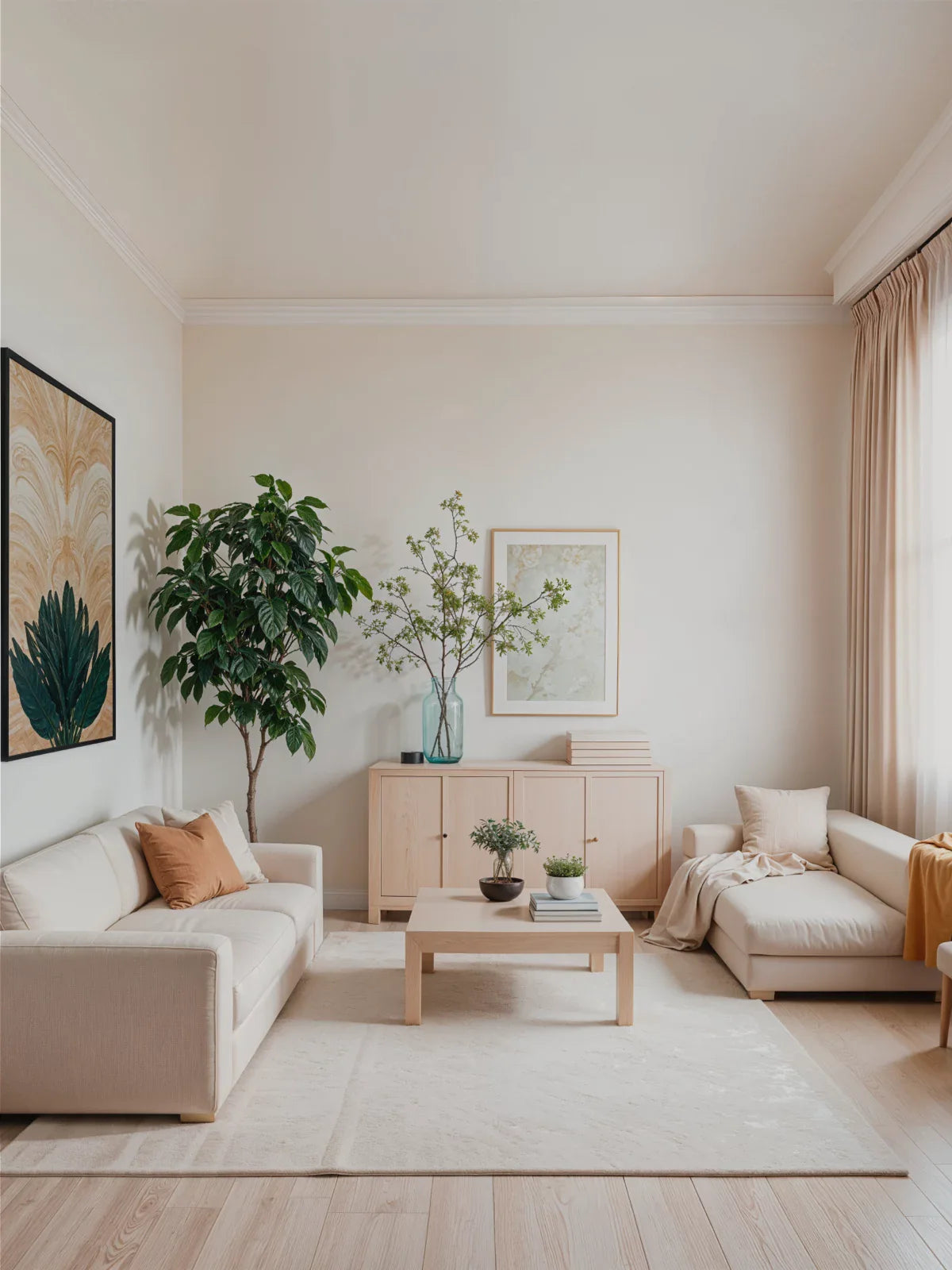
Modern Rugs: Styles, Designs & How to Choose
Modern rugs bring current patterns, colors, and textures into a room while helping define how the space feels and functions. They can be graphic and bold, quiet and understated, or somewhere in between. The best choice is not simply the rug that looks most modern: it is the one whose scale, palette, material, and pattern work with your furnishings and the way you use the room.
What Are Modern Rugs?
Modern rugs are floor coverings designed around a contemporary visual language. Common features include geometric or abstract motifs, simplified compositions, clean lines, unexpected color combinations, and textures that add interest without relying on traditional ornament. The term describes a broad range of designs, not one specific pattern or material.
Traditional rugs often use established motifs, borders, and decorative arrangements associated with particular weaving traditions. Vintage rugs are valued for their aged appearance, wear, or historical design. Modern rugs, by contrast, may use those influences in a new way—or avoid them altogether. Contemporary rugs are closely related: “modern” often describes a design approach, while “contemporary” usually refers to styles popular now. In everyday shopping, the terms can overlap.
Modern rug designs suit contemporary interior design because they can reinforce a room’s lines and proportions, introduce color, or soften a space with texture. A modern rug can also provide contrast in a more traditional room. Its style is determined by the whole composition, not just whether the pattern is abstract or the colors are neutral.
Key Characteristics of Modern Rug Design
Pattern, shape, and composition
Geometric patterns use shapes such as grids, arcs, stripes, and blocks. Abstract designs may suggest movement, brushwork, or layered forms without depicting a recognizable subject. Minimalist rugs tend to use fewer elements and more open space, while organic and asymmetrical patterns bring softer, less predictable outlines.
Color and contrast
Modern palettes range from warm neutrals and soft monochromatic tones to strong combinations of black and white or vivid accent colors. A high-contrast rug can become the room’s focal point; a low-contrast design can create visual texture while letting furniture and artwork take the lead.
Texture and visual balance
Texture affects both appearance and the experience of a room. A subtle surface variation can make a neutral rug feel more layered, while a smooth-looking, graphic pattern may emphasize crisp lines. The most successful designs balance the rug’s visual weight with the furniture around it. A complex pattern often needs breathing room; a simple rug can support more expressive decor.
Popular Types of Modern Rugs
- Abstract modern rugs: Layered shapes and expressive forms add movement and make a strong focal point in a living room or creative workspace.
- Geometric modern rugs: Repeating lines, grids, and angular shapes bring structure to contemporary, mid-century, and industrial interiors.
- Minimalist rugs: Restrained patterns, solid fields, or subtle tonal variation create a calm foundation without competing for attention.
- Contemporary patterned rugs: These combine current motifs and color arrangements, offering a way to add personality while keeping a room cohesive.
- Modern neutral rugs: Cream, gray, taupe, and other understated tones pair easily with varied furnishings. Texture or a quiet pattern can keep the look from feeling flat.
- Artistic and unconventional designs: Irregular forms, unexpected placement, or unusual color relationships suit rooms where the rug is intended to feel like an artwork.
Modern rug styles at a glance
- Abstract: Expressive, free-form motifs; works with contemporary or eclectic decor; especially effective in living rooms and home offices.
- Geometric: Repeated shapes and clear lines; complements mid-century or modern interiors; useful in living rooms, dining rooms, and offices.
- Minimalist: Simple or tonal design; suits Scandinavian and pared-back spaces; a natural choice for bedrooms and calm living areas.
- Contemporary patterned: Current motifs with varied levels of detail; fits mixed contemporary interiors; consider it for living rooms and dining spaces.
- Neutral: Subtle color and texture; pairs with many furniture styles; works well where the rug should support rather than dominate.
- Artistic: Unconventional composition; suits expressive, collected rooms; best where its visual impact has room to register.
How to Choose the Right Modern Rug
- Start with the room’s existing palette. Identify the main colors in your flooring, sofa, dining chairs, curtains, and artwork. A rug can echo one of these colors or introduce a considered accent. A small color sample or photo can help you compare options in the room’s actual light.
- Match pattern complexity to the space. If upholstery, art, and accessories already have strong patterns, a simpler rug may bring balance. In a room with plain furnishings, a more expressive pattern can add depth.
- Plan the size before choosing a design. Measure the floor area and furniture arrangement. In a living room, consider whether the rug should sit under the front legs of seating or define a larger seating zone. For a dining room, account for chairs moving away from the table. These proportions affect how the rug looks as much as its pattern does.
- Decide what should stand out. A statement rug works best when nearby decor gives it space. If you want a strong rug in a minimalist interior, keep some surrounding surfaces and accessories relatively quiet.
- Consider everyday use. Think about foot traffic, spills, pets, children, and how much maintenance fits your routine. Check the care guidance and construction details for the specific rug rather than assuming all rugs of a material or style perform the same way.
Practical takeaway: Choose the rug’s size and role in the room before settling on a pattern. A beautiful design can still feel out of place if its proportions do not suit the furniture arrangement.
Modern Rugs for Different Rooms
Living rooms
Modern living room rugs can anchor a seating group and connect the sofa, chairs, and coffee table. Geometric or abstract designs provide a focal point, while minimalist rugs help a busy room feel more settled. Check the furniture layout and walking paths so the rug supports the arrangement rather than interrupting it.
Bedrooms
In a bedroom, a soft-looking texture or quiet pattern can create a more restful atmosphere. Consider how much of the rug will show around the bed and where your feet land when getting up. Neutral and tonal designs are versatile; a stronger pattern can work when bedding and other textiles are simpler.
Dining rooms
A dining room rug can distinguish the table area from the rest of an open space. Choose a size that allows chairs to move without leaving the rug’s edge immediately beneath them, and consider how the surface will handle routine care. Graphic patterns can add definition, while restrained colors keep attention on the table and surrounding decor.
Hallways and entryways
These transition spaces benefit from designs that complement nearby rooms and suit frequent passage. Linear patterns can emphasize the length of a hallway; a compact geometric motif can add character at an entry. Prioritize dimensions, placement, and care instructions for the specific rug.
Home offices
A modern rug can make a workspace feel distinct and more connected to the rest of the home. Subtle geometry or a low-key abstract pattern adds visual interest without overwhelming a desk area. Consider how the rug will interact with the chair and the office’s everyday layout.
Modern Rug Colors and Interior Combinations
- Neutral and monochromatic: Use tonal variation or texture to create depth while keeping the palette quiet. This approach suits minimalist and Scandinavian-inspired rooms.
- Warm earth tones: Terracotta, rust, brown, and muted ochre can bring warmth to natural materials and soft furnishings.
- Black, white, and contrast: Graphic contrast makes a crisp statement. Repeating one of these tones elsewhere in the room can make the combination feel intentional.
- Blue, green, and accent colors: A blue or green rug can act as a focal point or echo details in artwork and textiles. Use accent colors selectively if the room already has several competing hues.
- Mixed furniture styles: Modern rugs can connect older and newer pieces. Repeat a color from a vintage chair or traditional wood furniture in the rug, or use a simpler design to keep a mixed collection from feeling crowded.
Choosing a rug for different interior styles
- Minimalist: Choose solid, tonal, or lightly abstract patterns in restrained neutrals. Keep the rug’s contrast in proportion to the room’s calm, uncluttered look.
- Scandinavian: Consider simple geometry, soft organic forms, or subtle patterns in light neutrals and muted accents. Texture can add warmth without introducing a busy motif.
- Mid-century modern: Try graphic shapes or structured patterns with considered color accents. Relate the rug’s palette to the room’s furniture and wood tones rather than matching every element.
- Industrial: Linear geometry, abstract marks, or understated patterns can balance hard-edged finishes. Neutral, charcoal, or earthy tones help connect the rug to the surrounding materials.
- Contemporary: Abstract, geometric, and tonal designs are all options. Choose based on whether the rug should become a focal point or support the furniture and artwork.
- Eclectic: A bold or artistic rug can bring varied furnishings together. Pick at least one color that appears elsewhere in the room, and allow the rug enough visual space.
Materials, Texture, and Practical Considerations
Material and construction influence how a rug looks, feels, and fits daily life. A smooth surface can make a graphic pattern appear crisp; a more textured surface can soften the design or give a neutral palette added dimension. Comfort, ease of care, and durability vary by specific construction, so read the product information and care guidance before deciding.
Consider these practical questions when comparing options:
- What care does the rug require, and is that routine realistic for your household?
- Will its texture and construction suit the room’s traffic and activities?
- Does the product information explain how to address common spills or routine cleaning?
- Would a washable rug be useful for your space? Check the item’s care instructions and construction details rather than assuming every washable option can be cleaned in the same way.
- Will the rug’s dimensions and placement work with doors, chairs, and walking routes?
These details matter as much as style. A well-chosen modern area rug should look at home in the room and make sense for how that room is used.
Frequently Asked Questions About Modern Rugs
What makes a rug modern?
A modern rug typically uses a current design approach, such as simplified composition, geometric or abstract motifs, clean lines, or contemporary color relationships. No single pattern or palette defines every modern rug.
Are modern rugs suitable for traditional furniture?
Yes. A modern rug can refresh a room with traditional furniture by adding contrast. To create cohesion, choose a color that relates to the furniture, artwork, or other textiles, and consider a less complex pattern if the furnishings are ornate.
How do I choose the right size modern rug?
Measure the space and map out the furniture before buying. Decide whether the rug should define a seating or dining area, then check that its edges will work with chair movement, walkways, and door clearance.
Should a modern rug have a bold pattern?
Not necessarily. Bold patterns suit rooms that need a focal point, while minimalist or neutral designs work when other elements already draw attention. Consider the room’s overall visual complexity.
Can modern rugs work in small rooms?
Yes. Choose proportions that suit the furniture and avoid letting the rug disrupt clear walking paths. A restrained palette or open pattern can help maintain a sense of visual space, though the overall layout matters most.
Are washable rugs right for every room?
They can be a practical option where easier routine care is a priority, but suitability depends on the particular rug and its instructions. Review the product’s care guidance and dimensions before choosing.
Choosing a Modern Rug That Feels Right at Home
The right modern rug brings together design and daily function. Begin with the room’s proportions, furniture, and color palette; then compare patterns, textures, and care needs. Whether you choose a quiet minimalist rug or an expressive abstract design, aim for a piece that supports the way you live and feels connected to the rest of your home.
Related Posts

What Is Shabby Chic Rug Style?

Entryway Rug Size Guide: Architecting the Perfect First Impression

Kitchen Runner Size Guide: Ergonomics for the Culinary Workspace

Dining Room Rug Size Guide: The Mechanics of a Perfect Fit

Bedroom Rug Size Guide: Crafting a Restorative Sanctuary

Hallway Runner Size Guide: Choose the Right Fit