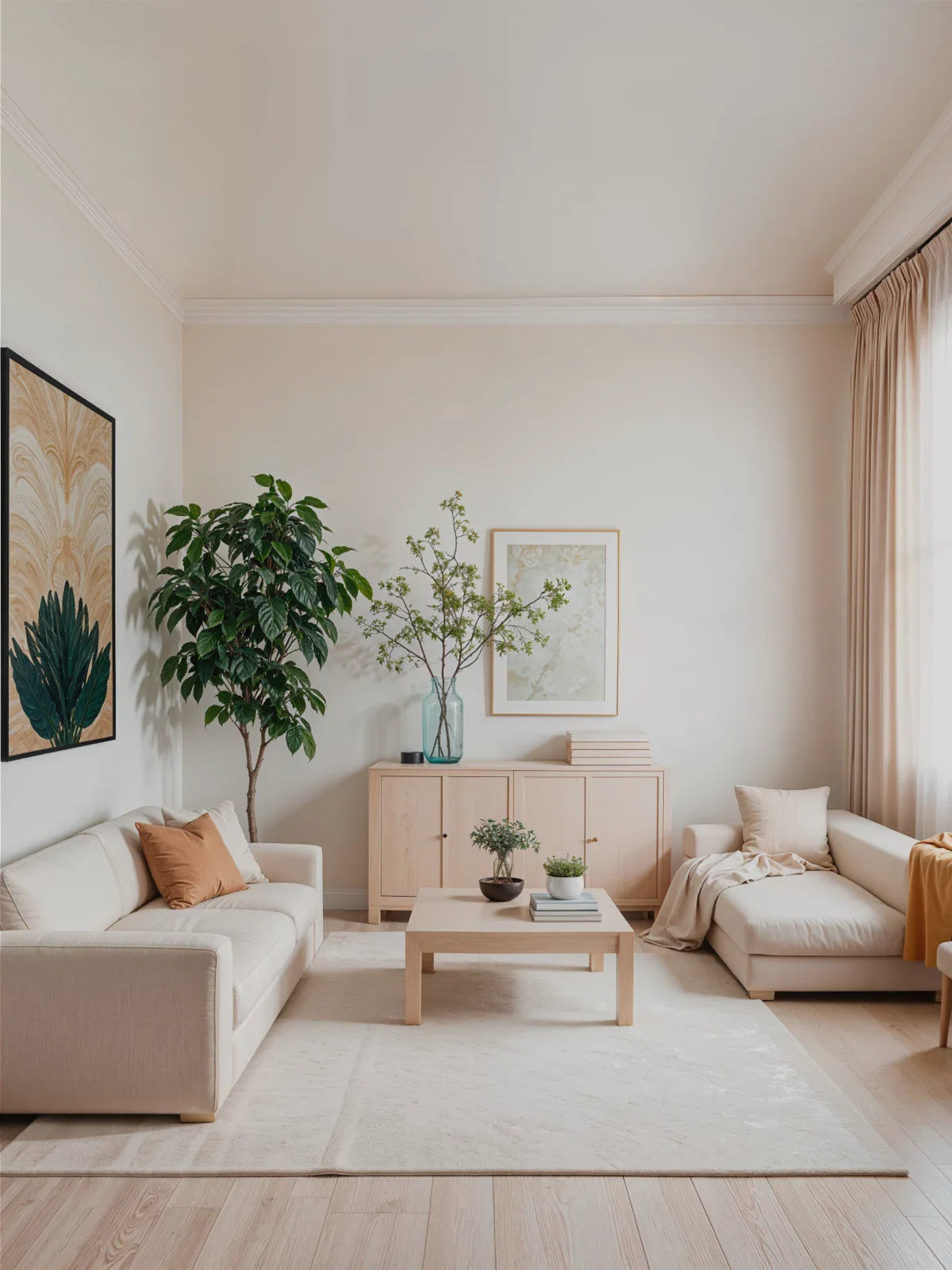
Should All Furniture Sit on the Rug?
There is one design dilemma that constantly sparks debate among homeowners and interior decorators alike, it is how to arrange spatial layouts around floor textiles. When you lay down a beautiful new grounding piece, figuring out exactly where your sofa, accent chairs, and coffee tables should rest can feel surprisingly complicated. A major question at the center of this conversation is: should All Furniture Sit on the Rug? In this ultimate guide, we will break down the rules of spatial scale, structural balance, and everyday functionality to help you map out the perfect floor layout for your home.
Fast Takeaways
- The Core Rule: No, not all furniture legs must sit on the rug. The "front legs only" approach is often the most balanced option for standard American living rooms.
- Cotton Utility: Bella's cotton base rugs offers a comfortable 7 mm sponge core that feels incredible under seating zones but requires light care under ultra-heavy legs.
- Chenille Stability: Bella's Chenille features a dense, woven texture and a non-slip dotted bottom that holds its ground beautifully under heavy furniture weight.
- Easy Upkeep: Both options are completely machine-washable at 30°C (86°F), meaning you can easily slip them out from under furniture legs for a quick wash.
The short answer
To answer the question immediately and accurately: no, all furniture does not need to sit entirely on the rug. In the world of modern interior design, forcing every single piece of furniture to rest fully on a textile surface can often make a room feel crowded, physically restricted, and visually smaller than it actually is. Instead, professional designers rely on three classic layout methods to establish spatial harmony: All Legs On, Front Legs On, or All Legs Off.
The primary goal of using Living Room Rugs is to anchor a conversation zone and define the boundaries of a specific living area within your home. If a rug is too small and sits lonely under a coffee table without touching any seating, it looks like an isolated island floating in a sea of bare flooring. This breaks the cohesive flow of the room. Conversely, ensuring that at least the front legs of your primary sofa and accent chairs sit firmly on the textile surface naturally connects the furniture pieces, creating an inviting and unified atmosphere.
When diving into comprehensive guides like the Area Rug Size Guide for Every Living Room, you quickly learn that scale and proportion are far more critical than sticking to rigid placement rules. The ideal setup should look deliberate and balanced. By understanding how furniture legs interact with the textile foundation, you can avoid common spatial mistakes that leave a room looking disconnected or poorly planned.
"A great rug acts like the canvas for your furniture layout. It doesn't need to swallow the entire room; it simply needs to bring the pieces into a meaningful conversation."
Furthermore, checking expert resources on How to Choose the Perfect Rug highlights that everyday family lifestyle factors should heavily influence your final placement configuration. For example, homes with busy schedules, playful pets, and active children must prioritize layout stability and ease of cleaning over formal design rules. If a rug is constantly moving or difficult to maintain because heavy furniture blocks regular access, the layout becomes more of a hassle than a design asset.
When it works — and when to be careful
While choosing a placement layout is a fun creative process, you must carefully evaluate the physical limitations and product features of your flooring pieces. Heavy furniture items—such as deep-seated sectional sofas, solid wood media consoles, and marble coffee tables—exert substantial downward pressure. This pressure can cause long-term indentations in certain rug materials or stress the backing during routine layout adjustments.
To solve this challenge, Bella designs every pattern with two distinct structural construction choices tailored to different functional needs: Cotton and Chenille. The Cotton option is built on a natural, soft cotton base that provides a flexible foundation. In the middle layer, a 4 mm sponge-padded core adds excellent cushioning, sound absorption, and everyday comfort underfoot. While this plush construction feels fantastic under bare feet in standard seating layouts, placing ultra-heavy, sharp furniture legs permanently on a padded cotton base requires protective furniture cups to prevent deep compression marks over time.
| Bella Structure | Core Highlights | Backing System | Heavy Furniture Suitability |
|---|---|---|---|
| Cotton | 3-Layer soft build, 4 mm cushion core | Natural cotton base | Great (Use cups for heavy legs) |
| Chenille | 2-Layer dense build, 1600 g full weight | Dotted non-slip cotton backing | Exceptional (Resists crushing) |
Alternatively, the Chenille option features a dense Chenille woven surface layer paired with a robust 2-layer construction. The bottom layer utilizes a cotton base with a specialized dotted non-slip backing, engineered to provide exceptional floor grip and reliable daily stability. Weighing a full 1600 g, Chenille rugs provide a flatter, firmer profile that handles heavy furniture anchoring exceptionally well. The tight, low-profile weave rebounds quickly from furniture pressure, making it the perfect choice for a "front legs on" or "all legs on" living room layout.
When weighing your options, reading up on Washable Rugs vs Traditional Rugs for Living Rooms shows that modern maintenance is a complete game-changer. Traditional carpets can trap deep dust under furniture legs, requiring heavy lifting to clean. Bella’s innovative Machine-Washable Rugs and Low-Pile Rugs streamline this chore. Because they are lightweight and flexible, you can easily slide them out from beneath your furniture legs, toss them into a standard wash cycle at 30°C (86°F), and keep your high-traffic spaces completely clean and hygienic.
Practical tips for your home
The best practical next step for your own home is mapping out your space with a simple design trick before purchasing. Grab a roll of low-tack painter's tape and mark the exact dimensions of the rug size you are considering directly onto your bare floor. Next, arrange your main seating pieces around this tape boundary. This visual exercise lets you instantly see whether an "all legs on" or "front legs only" layout looks best in your unique room shape.
If your living room feels slightly narrow, try utilizing the "front legs only" rule, leaving roughly 8 to 12 inches of bare floor showing behind the sofa. This trick pulls the walls back visually, making a compact room feel much more open and spacious. For large, open-concept floor plans, sizing up to a large rug that accommodates all furniture legs is an excellent way to define a cozy, intimate conversation hub separate from your dining or entryway pathways.
Option 1: The Padded Cotton Base Selection
Ideal for family lounge zones where children love to play on the floor, our Cotton construction features a natural cotton base and a supportive 4 mm sponge core. It delivers premium everyday comfort and washes easily in standard residential machines.
Option 2: The Non-Slip Chenille Chenille Performer
Engineered for exceptional durability under heavy furniture weight, our Chenille Chenille option offers a premium woven texture. Outfitted with a dotted non-slip cotton backing, it holds its ground effortlessly on slick hardwood and tile surfaces.
Option 3: The Contrasting Pattern Statement Piece
Transform a simple space into a designer showpiece with a bold, high-contrast geometric motif. Our low-pile construction styles excel at naturally masking minor daily lint and surface dust between regular machine washings.
Conclusion
Perfecting your home layout doesn't require sticking to rigid, outdated rules. By understanding that not all furniture needs to sit on the rug, you can confidently customize your placement to fit your specific room size. Whether you choose the cushioned comfort of a cotton base or the sturdy stability of a Chenille weave, Bella gives you the flexibility to design a beautiful, practical home.
Frequently Asked Questions
Area Rug Size Guide for Every Living Room
The 5 Golden Rules for Buying Hypoallergenic and Washable Rugs for Kids' Rooms
Related Posts

Non-Toxic Rug Materials Explained: What Is Really Hiding in Your Floor Decor?

Creative Personalized Rug Ideas for Kids' Bedrooms: Magic Underfoot

Best Rugs for Playrooms: Designing a Fun, Washable, and Safe Space

Kids Room Rug Buying Guide: How to Choose the Perfect Washable Rug

Why Personalized Name Rugs Make the Perfect Baby Shower Gift

How to Design the Perfect Personalized Kids Rug: A Step-by-Step Guide

Personalized Rugs vs. Regular Kids Rugs: Which Is Actually Worth It?